
Key Things to Keep in Mind When Selling to Doctors
Doctors constitute about 0.3% of the total US population. Is selling to this minuscule audience, less than one percent, a cakewalk for healthcare businesses and marketers? The answer is NO.
 Skip to content

Doctors constitute about 0.3% of the total US population. Is selling to this minuscule audience, less than one percent, a cakewalk for healthcare businesses and marketers? The answer is NO.

Email marketing is still popular among B2B marketers despite multiple marketing channels. The reason is straightforward – it provides an economical option at the cost of reaching hundreds of relevant contacts worldwide.
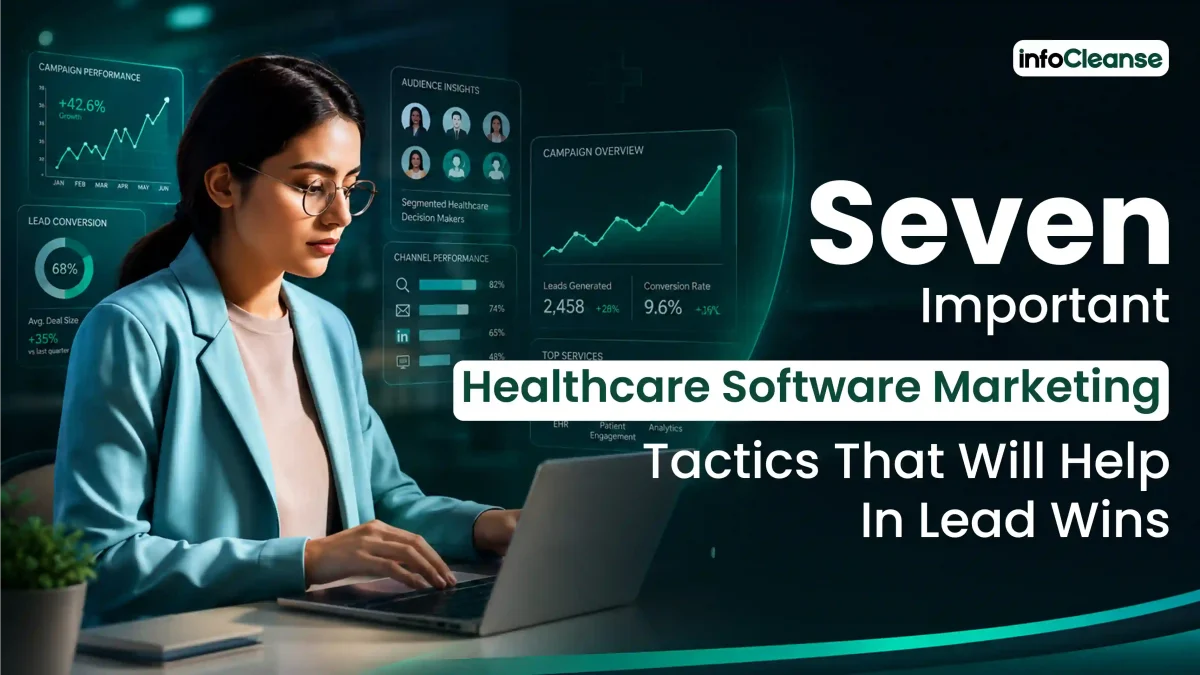
Over the years, quality, outcomes, and value have become the watchwords of the healthcare sector. Owing to these watchwords, the healthcare industry is all out seeking innovative, cost-effective tech-enabled solutions. Healthcare software implies the use of technology to make things better and safer for both users and caregivers, i.e., it is all about making healthcare smarter, faster, and personalized. From helping medical professionals diagnose diseases quickly to ensuring that each user has access to a personalized treatment regimen, medical software is at the forefront of enhancing and optimizing operational efficiencies within the healthcare facilities. By harnessing the potential of AI, machine learning, and other technologies, health tech companies are formulating software solutions that are empowering healthcare facilities to fast-track medical and clinical research and hassle-free operation cycles for positive outcomes.
Did you know there are over 200,000 dentists in the United States alone? Essentially, there are about 60 dentists for every 100,000 people residing in the United States.
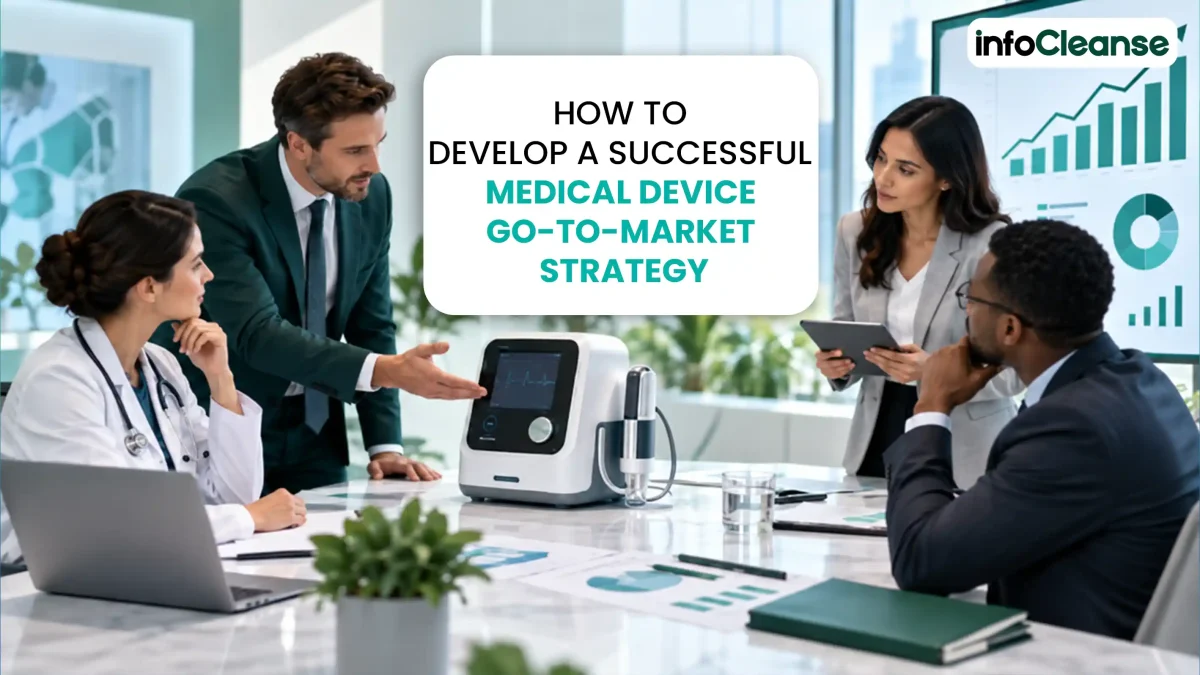
The global medical device market is booming! High incidence of chronic diseases due to lifestyle changes, an increasing geriatric population opting for home healthcare, and greater emphasis given by adults to health and fitness have necessitated wireless medical devices, portable devices, health monitors, and more.
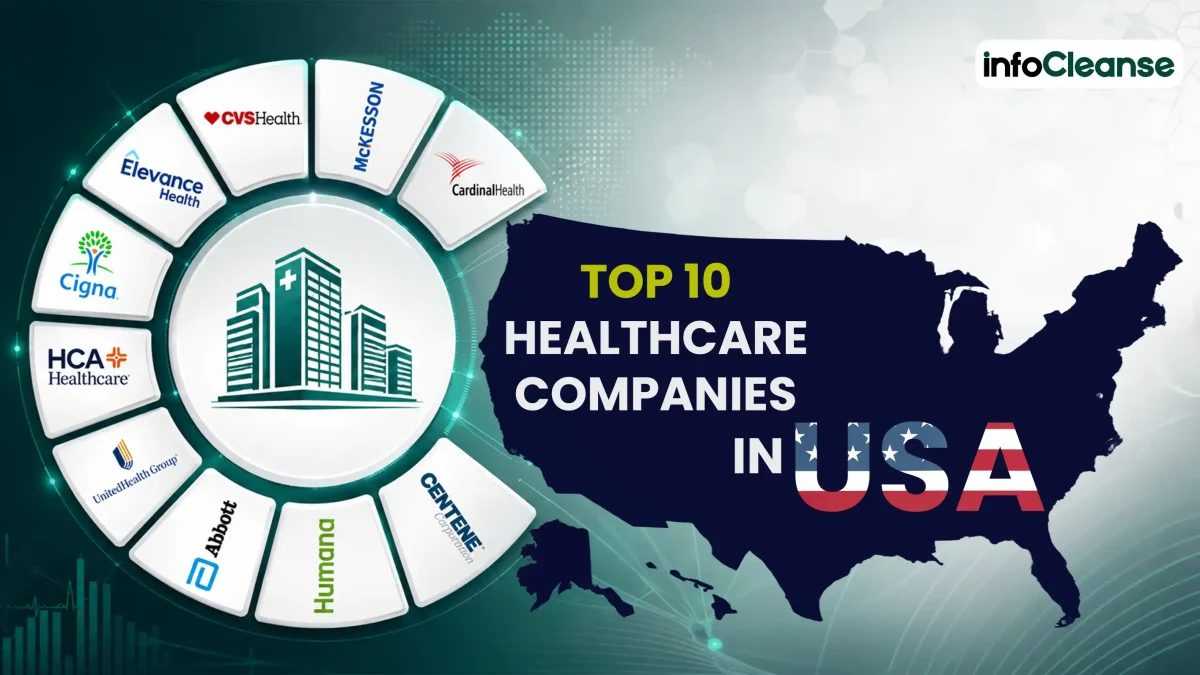
Healthcare companies, with their significant contributions, are changing the entire contour of the healthcare ecosystem. Besides empowering the healthcare industry to deliver the best care to users, healthcare companies’ ground-breaking technological innovations are making healthcare more accessible to the population.
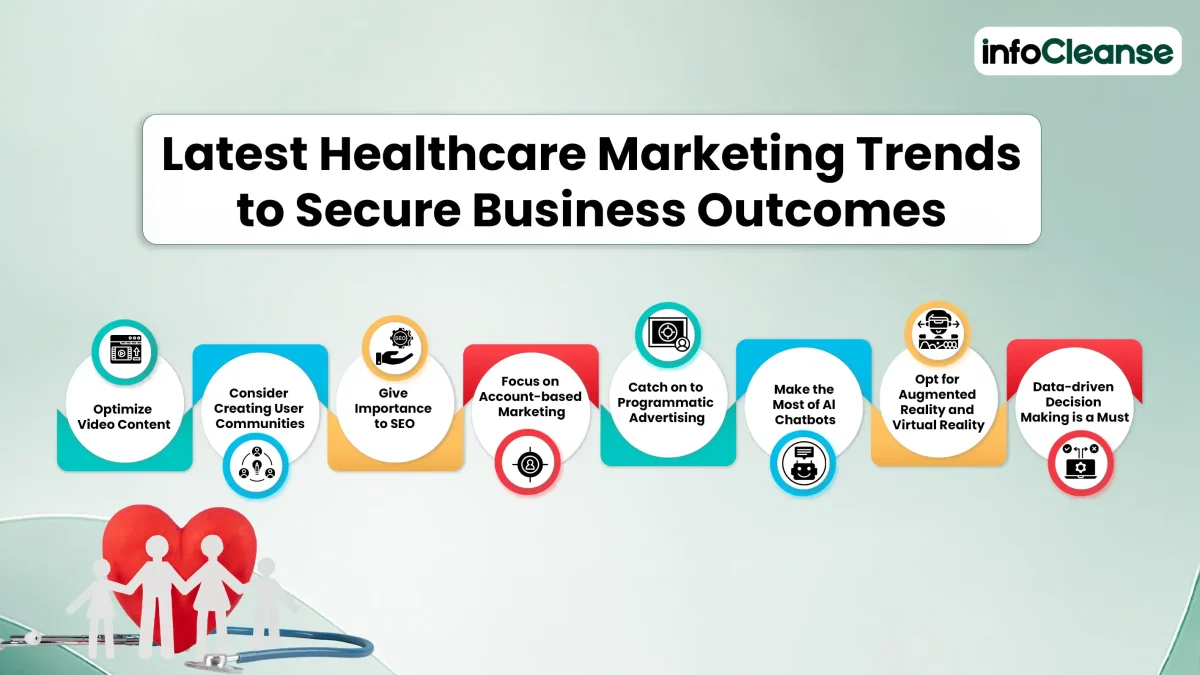
The cornerstone of any organization is effective marketing. Be it healthcare businesses or any other company, marketing strategies are imperative for their growth. In neck-to-neck competition in the healthcare ecosystem, impactful marketing is an absolute necessity. With multiple businesses springing into action every year, the healthcare ecosystem is becoming saturated, making it challenging for healthcare enterprises to garner user’s attention. This, coupled with constantly changing marketing technologies and methodologies, has changed the healthcare ecosystem’s contour, making it difficult for businesses to survive and sustain. So, how can healthcare businesses keep a firm footing in this competitive landscape to stay afloat? It is where healthcare marketing trends come into the picture.

Generative AI is deep-learning models that create brand new outputs when prompted through models or algorithms using the vast data they are trained on. The outcomes include text, videos, photos, code, or 3D renderings. Generative AI creates new work similar to the original source by encoding a simplified representation of their training data.
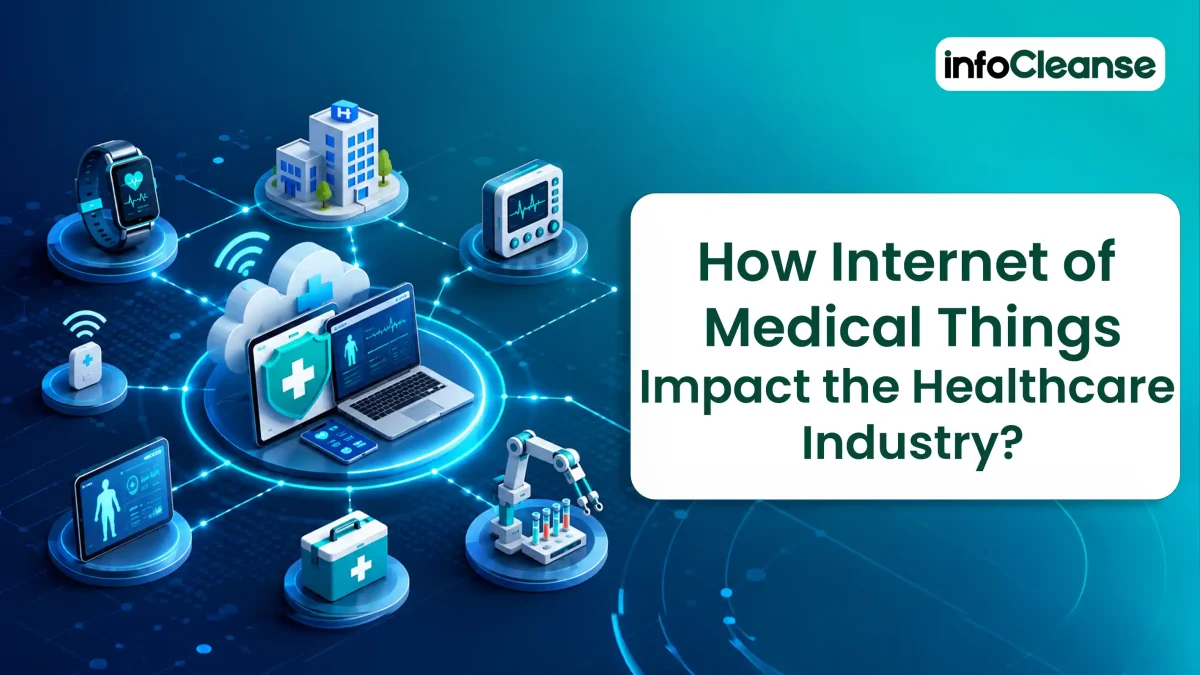
“The Internet of Things has the potential to change the world, just as the internet did”.
– Brandon Langdon
In recent times, the Internet of Things (IoT) has become a device that is not only responsible for convenience and speed of operations but also for human life. From smart homes, wearables, and smart sensors in transportation, IoT has taken digitalization in all walks and sectors of life to an all-new level. The first ever IOT device created was in 1991, a toaster that could be turned on and off over the Internet. But today, this ground-breaking technology has come a long way. From a progressive, innovative, but little-studied technology, today, IoT has indeed become a reality surrounding us.
What is the first thing that crosses your mind while visualizing a healthcare facility?