According to Accenture’s recent study on cybercrime, the cost of data breach accounted for $13 million on average in 2019.
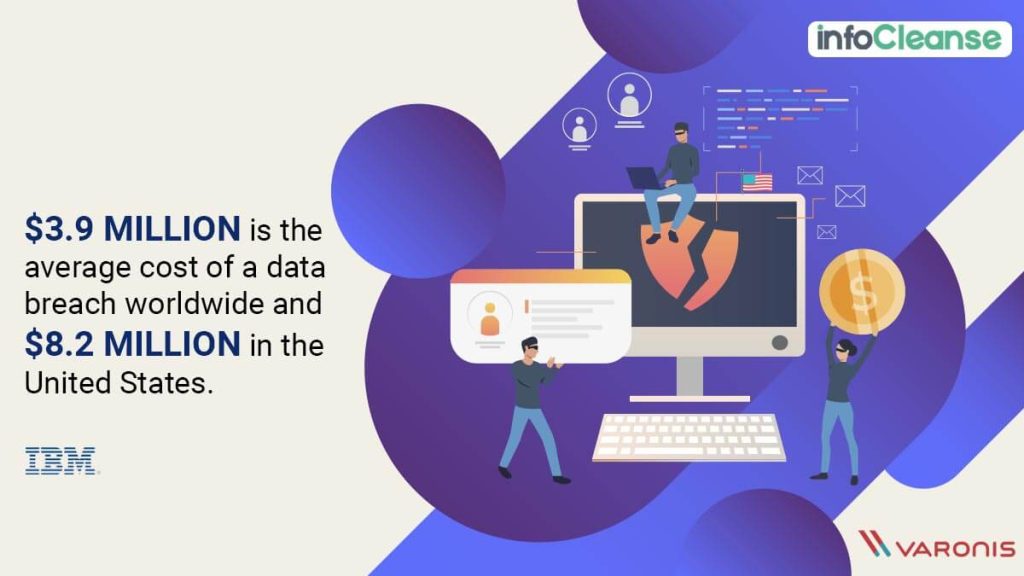
Also, the global cost of data breaching is $3.89 million on average and $8.4 million in the US.
Customers and users have also become more cautious when sharing their information with businesses. As such, B2B marketers must now assure them that their digital resources are all safe and secure.
Moreover, international data safety regulations and policies such as CCPA and GDPR require brands to leverage B2B cyber security to protect data. Failing to comply with the said regulations and laws will result in huge penalties and fines.
In this blog, we’ll be covering 5 ways for B2B marketers to make use of B2B cyber security for data safety.
1. Understanding Possible Threats To Cyber security
Despite every effort of IT security measures and law enforcement, there is no operating system that’s used widely and is 100% secure, says Kelton Tech.
Cybersecurity threats refer to malicious activities staged by hackers that seek to steal information, destroy data, or crash the victim’s system.
There is no single B2B organization that is completely immune from such data safety risks. All are vulnerable. 68 percent of business leaders believe their B2B cyber security threats are increasing.
As a B2B marketer, you need to be aware of the B2B cyber security threats to determine the proper security measures that need to be taken.
Let all your staff, employees, and clients know of the possible security hazards they might experience. There are numerous cybersecurity risks B2B organizations are likely to face. They include ransomware, Trojan, data breaches, spear phishing, phishing, and malware attacks.
It’s also essential to be aware of the sources of these threats to fight against them. Here are sources of cyber data safety threats:
- Malicious insiders
- Terrorists
- Individuals
- Your competitors
- Hackers
- Organized crime gangs
2. Understanding the Key Elements of Cybersecurity
B2B cyber security is the combination of policies, procedures, and technologies designed to protect a business-to-business organization’s system from a data breach or malicious threats.
The security protects software, hardware, and every data present in these components against unauthorized access. B2B cyber security has 5 core elements. They include:
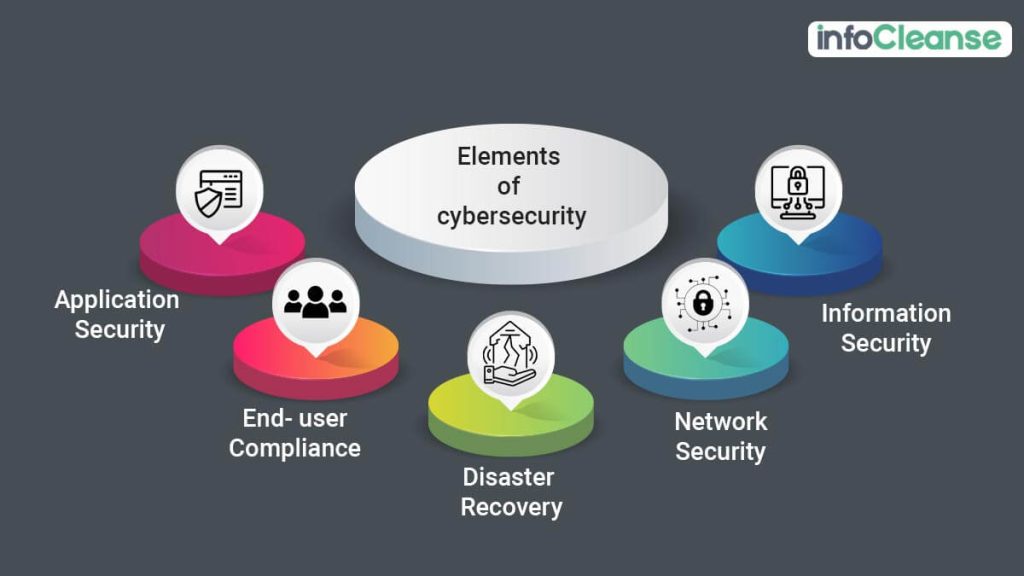
- Application Security: Software applications are prone to various threats. Such risks include data thefts, unauthorized access, data deletions, modifications, and software malware. Application security includes all the strategies and procedures used in protecting various software from dangerous external risks. As such, B2B marketers must deploy B2B cyber security for protecting their applications.
- Information Security:This core component resonates with risk management and assessment. With a pre-built B2B cyber security system for foolproof risk management and application security, B2B marketers can protect their data securely. For instance, digital signatures can help boost information security by requesting people to verify their identities before gaining access to certain pieces of information.
- Network Security:This element includes activities designed for protecting internet users. It’s associated with the safeguard of network data integrity, usability, and security. It makes sure the following elements are prevented from entering the B2B company’s system: identity theft, service attacks, data theft, hacker attacks, Spyware & adware, and Trojan horses.
- Disaster Recovery:This B2B cyber security component deals with uncertainties. It is characterized by data recovery & hardware restore strategies, recovery plans for IT disaster.
- End-User Compliance:This one focuses on improving the skills of employees to manage potential data risks. Your workforce can either make or destroy your security walls. You need to get them acquainted with the best security practices, possible cyber threats, global data security laws.
3. Analyzing Cyber Security Solutionsy
B2B employees must develop threat intelligence to be able to effectively utilize cybersecurity for protecting data. Additionally, risk intelligence can be either tactical, automated, or contextual.
- Automated: Automated risk intelligence software utilizes API to enable communication from a device to support faster business decision making and collaboration. During potential data breaching events, companies must reduce the time for detecting the same and also the remediation time without any apprehension.
- Contextual: This threat analysis tactic focuses on small & industry-specific data security threats to utilize cybersecurity for data safety. Correlating data to enhance the accuracy of cybersecurity can help garner accurate information to boost protection. Additionally, understanding the significance of data structuring covering various security techniques can be quite useful for organizations.
- Tactical:With a proper tactical threat system, you can handle all external dangers effectively to leverage data protection cybersecurity. It includes malware protection, prevention of intrusion, email security, web gateways, and firewall hazards. Having a proper analytical ability and effective business intelligence infrastructure to detect dangers can help B2B enterprises in exploiting their tactical threat intelligence.
4. Investing in a Cohesive Business Intelligence System
B2B organizations must invest in powerful business intelligence systems. Such systems should then be shared with all departments at potential cyber-attacks.
They should also be cohesive enough for including all the resources and devices that the organization holds.
Actionable intelligence and security solutions exclusively for brands can help in making the most out of cybersecurity to protect data.
5. Timely Strategizing &Running of Workforce Training
Employees and staff are sometimes the main cause of cyber threats. As such, it’s crucial to have a workforce awareness & training program where every business stakeholder is made aware of the best security measures.
It’s also helpful for employees to receive some kind of training to identify potential data threats and ways to manage these repercussions when it occurs.
Better yet, B2B workers must also be made aware of the precautionary measures, which include opening suspicious emails or links. Additionally, they should be given awareness on better security practices, which include the use of strong passwords & multiple factor authentications.
Final Say
In conclusion, B2B brands must consider leveraging B2B Cyber Security for the safety of their data.
Installing anti-virus protection & firewalls, securing immanent brand phones, offering a data restoration system, and efficient management control to monitor every customer’s end-to-end activities are just a few bare requirements for optimizing information security for protecting data.
B2B organizations that deal with sensitive client data can use Enterprise Content Management (ECM) and project management systems to make the best use of data protection cybersecurity.